Case Articles
FDA Import Action Sharpens the Medical Questions in Olympus Scope Infection Cases
By Burton Bentley II, MD, FAAEM
These Olympus endoscope infection lawsuits raise important questions about medical causation and the evidence needed to establish whether a device transmitted an infection. The FDA has expanded an import alert covering certain Olympus endoscopes and related devices while several patients and families are pursuing claims that reusable Olympus scopes transmitted serious infections. The October 20 action does not decide those lawsuits, but it brings renewed attention to the records that will determine whether a scope was the source of a particular patient’s illness.
What Makes Reusable Endoscopes a Potential Infection Risk?
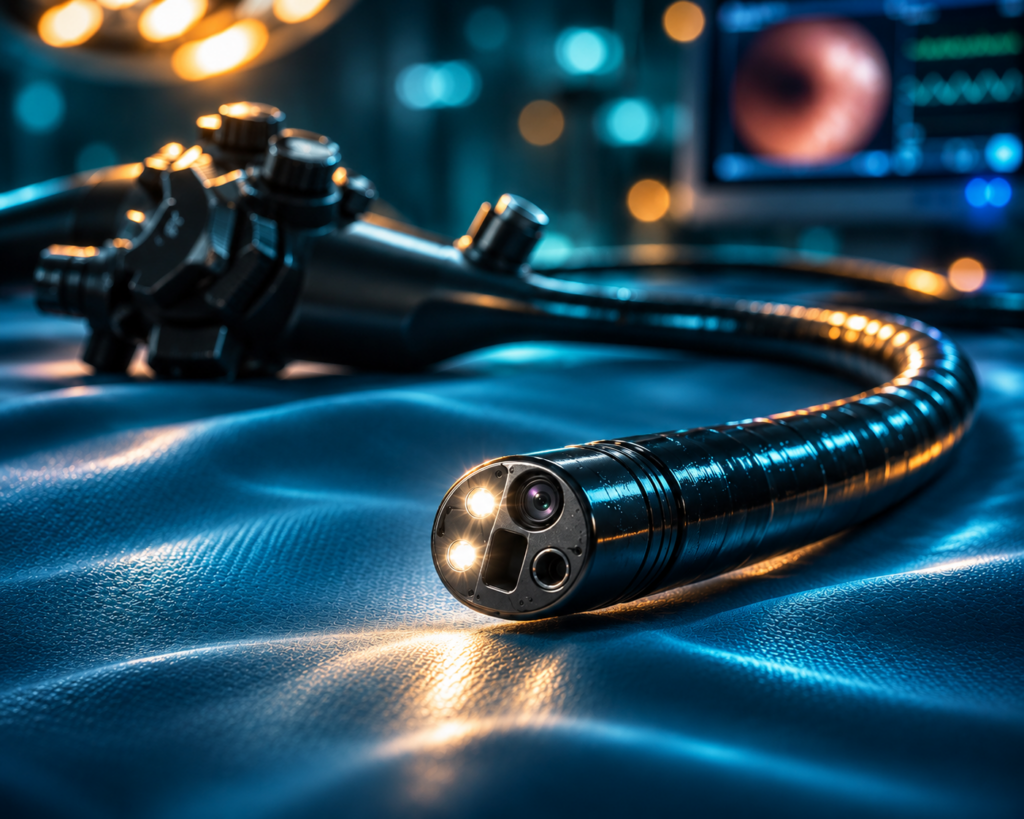
Endoscopes allow physicians to examine and treat areas of the body without open surgery. During an endoscopic retrograde cholangiopancreatography, or ERCP, a physician advances a specialized scope through the mouth to reach the bile and pancreatic ducts. The procedure can relieve an obstruction, remove a stone, or place a stent. Because the scope is reused, it must be cleaned and disinfected between patients through a process known as reprocessing.
That task is more difficult than it sounds. Some scopes have narrow channels and moving components that can retain biological material. A later infection may reflect contamination that survived reprocessing, but it may also arise from the patient’s underlying disease, a biliary obstruction, another procedure, an indwelling device, or exposure elsewhere in the hospital. The timing and microbiology matter as much as the diagnosis itself.
What Are the Allegations in the Olympus Endoscope Infection Lawsuits?
One pending case illustrates the stakes. In Bruto Da Costa v. Olympus America, filed June 5 in federal court in Washington, the complaint alleges that an Olympus TJF-Q190V duodenoscope was used during Mark Bruto Da Costa’s ERCP at the University of Washington Medical Center in June 2023. His estate alleges that he developed a vancomycin-resistant Enterococcus bloodstream infection, followed by septic shock, organ failure, and death. The complaint attributes the infection to the reusable scope. Olympus has not been found liable, and the allegation that this device transmitted the organism remains unproved.
A separate case, Nichols v. Olympus America, was removed to federal court in Pennsylvania on August 28. That wrongful-death action also concerns an infection allegedly following an ERCP. The docket identifies Olympus’s defense counsel, but the public filings reviewed for this article do not contain a ruling on defect or medical causation.
What Did the FDA’s October 2026 Olympus Import Alert Address?
The latest FDA action is broader than either lawsuit and must be read carefully. The agency’s import alert covers specified models of ureterorenoscopes, bronchoscopes, laparoscopes, automated endoscope reprocessors, enteroscopes, and capsule imaging systems made at Olympus facilities in Japan. It followed an October 7 warning letter in which the FDA described quality-system violations across multiple Olympus facilities. Olympus told the agency that it had opened corrective and preventive actions, revised procedures, and begun additional validation work. The FDA responded that many measures were still in progress or lacked evidence showing they were complete and effective.
Does the FDA Import Alert Establish Device Defect or Medical Causation?
At the same time, the FDA did not tell hospitals to stop using every Olympus device. It said devices already in service may continue to be used if they are functioning properly. The agency emphasized following the manufacturer’s reprocessing instructions, avoiding damaged devices or those that fail leak testing, and maintaining inspection and service schedules. The import alert also does not establish that the model named in a pending lawsuit was defective or that it caused an infection.
What Medical Evidence Is Needed to Evaluate Endoscope-Related Infections?
That distinction will shape the medical evidence. A case-specific review begins with the exact device and serial number, its service and reprocessing history, the procedure record, and any device or environmental cultures. It then turns to the patient: the organism involved, when symptoms began, prior hospital exposures, antibiotic use, biliary disease, immune status, other procedures, and alternative routes of infection. Molecular or strain matching may be powerful when available, but many cases will have to be evaluated from timing, exposure records, and competing clinical explanations.
Why Must Medical Causation Be Established in Each Olympus Infection Case?
The FDA’s action gives both sides important regulatory evidence, but it does not supply the missing causal link. That link must still be built, or challenged, patient by patient and device by device.
Sources
FDA’s October 20, 2026 Olympus Safety Communication
Bruto Da Costa v. Olympus America — Federal Docket
https://dockets.justia.com/docket/washington/wawdce/2:2026cv01977/363801
Frequently Asked Questions About Olympus Endoscope Infections and Litigation
1. What infections have been associated with contaminated endoscopes?
Contaminated reusable endoscopes may transmit serious bacterial infections. In Bruto Da Costa v. Olympus America, the complaint alleges a vancomycin-resistant Enterococcus (VRE) bloodstream infection following an ERCP procedure. Whether the endoscope transmitted the organism remains unproved.
2. Has the FDA recalled Olympus endoscopes because of infection risks?
Dr. Bentley’s article discusses the FDA’s October 20, 2026 import alert, rather than a product recall. The action covers specified Olympus medical devices manufactured in Japan and does not establish that every Olympus endoscope is defective or unsafe to use.
3. Can an ERCP procedure cause a serious infection?
Serious infections can occur following ERCP procedures, but the source of an infection is not always clear. Potential explanations include contaminated equipment, underlying biliary disease, obstruction, indwelling devices, or other hospital exposures.
4. What evidence can help determine whether an Olympus endoscope transmitted an infection?
Relevant evidence includes the device’s serial number, reprocessing and service history, procedure records, microbiological cultures, and the patient’s clinical history. Molecular or bacterial strain matching may provide additional evidence when available.
5. What medical experts may be needed in Olympus endoscope infection lawsuits?
Dr. Bentley’s article identifies several areas requiring medical evaluation, including infection mechanisms, microbiological findings, endoscope reprocessing, and patient-specific medical causation. The appropriate expertise depends on the clinical issues and evidence involved in each case.

Exhumation Autopsy: When Is It Warranted in Civil Litigation?
By Burton Bentley II, MD, FAEEM An exhumation autopsy in civil litigation is an extraordinary forensic procedure involving significant scientific, legal, and ethical considerations.…
Read article
IVF Genetic Testing Faces a Legal Challenge Over Promised Benefits
By Burton Bentley II, MD, FAEEM A federal judge dismissed a proposed IVF genetic testing class action lawsuit challenging LifeView preimplantation genetic testing, but…
Read article
Spinal Cord Stimulator Lawsuits and the Search for What Went Wrong
By Burton Bentley II, MD, FAEEM The lawsuits over Boston Scientific’s spinal cord stimulators are proceeding together in federal court, but they do not…
Read article
$117M Talcum Verdict Overturned When Expert Testimony Failed Daubert Challenge
A $117M talcum powder verdict was overturned by a New Jersey appeals court, which found that the expert testimony proffered on behalf of the…
Read article
When Cause of Death is Unclear, Expert Testimony Must Show Causation
To establish medical malpractice, a plaintiff must prove that the healthcare provider’s action fell below the standard of care and that the failure was…
Read article
Two Courts Change the Scope of What’s Protected Under Medical Peer Review Statutes
When a plaintiff sues a doctor for malpractice, the medical facility may also be culpable for negligent credentialing. Healthcare entities have a responsibility to…
Read article
Whistleblower Win For Walgreens, FCA Case Dismissed
A False Claims Act (FCA) lawsuit against Walgreens was recently dismissed by the Southern District of Texas because the claim was not specific enough.…
Read article
Trends in Pediatric Medical Professional Liability Claims in Acute Care Settings
Background: While medical professional liability (MPL) claims involving pediatric cases (ages 0-17 years) represent a small fraction of overall MPL claim activity nationally, they…
Read article
Sixth Circuit Denies Appeal to Plaintiff Who Mistook Healthcare Entity as Not Being Covered by FTCA
Antoinette Lundy filed a medical malpractice lawsuit on behalf of her son after he suffered brain damage during childbirth. As Lundy’s healthcare providers were…
Read article
Two Medical Experts Disqualified in Malpractice Case
The testimony of two expert witnesses was excluded in a recent Georgia medical malpractice case because the experts’ knowledge and experience did not meet…
Read article