Case Articles
FDA Orders GLP-1 Vision Loss Warning as Federal Cases Advance
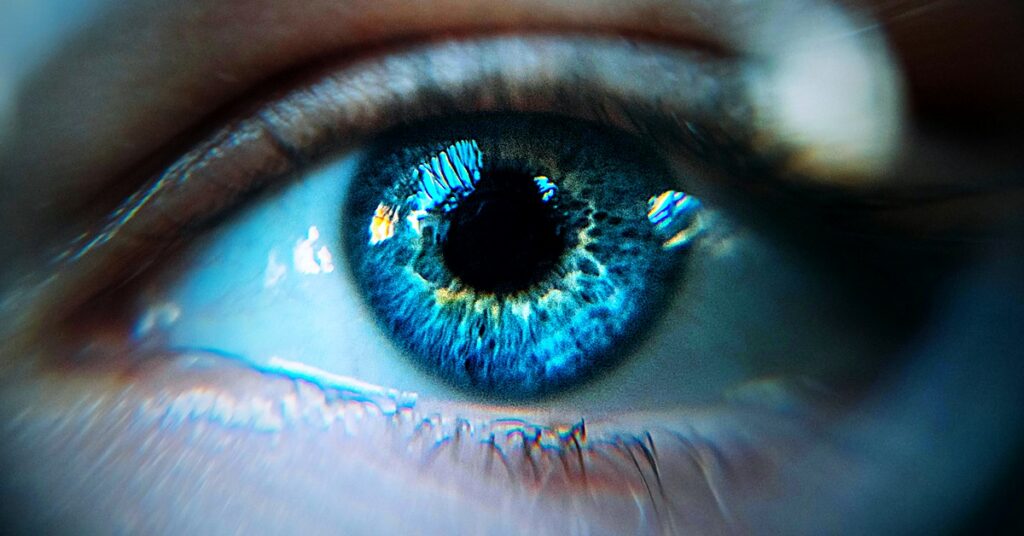
The FDA on November 9 required makers of GLP-1 drugs, including Ozempic, Wegovy, Mounjaro and Zepbound, to add a warning about a rare optic nerve condition that can cause permanent vision loss. The decision comes as a federal court in Philadelphia is examining the same injury. Patients in the litigation say they lost vision after taking the drugs and that the manufacturers did not adequately warn them or their physicians.
What Are GLP-1 Drugs?
The drugs mimic a hormone that helps regulate blood sugar and appetite. The class was first approved in the United States for type 2 diabetes in 2005. Some products were later approved for chronic weight management. Ozempic, an injectable form of semaglutide first approved in 2017, is among the products named in the litigation.
What Is NAION and How Does It Cause Vision Loss?
The condition is non-arteritic anterior ischemic optic neuropathy, or NAION. It occurs when blood flow to the front of the optic nerve is reduced. The typical presentation is a sudden, painless change in vision in one eye, sometimes first noticed on waking. A person may lose part of the visual field rather than all vision in that eye, and the loss can be permanent.
What Do Plaintiffs Allege in the GLP-1 Vision Loss Litigation?
In a complaint filed June 2 in the Eastern District of Pennsylvania, Jeffrey Delorme alleges that he took Ozempic as prescribed, developed NAION and suffered severe loss of sight. He contends that Novo Nordisk knew or should have known of the risk and did not adequately disclose it. His case illustrates the warning claim, but the coordinated litigation involves different drugs, doses and patient histories.
What Did the FDA’s Review of NAION Cases Find?
The FDA’s review shows why the question remains open. Across 126 randomized trials, the agency identified 15 probable cases: 10 among patients receiving GLP-1 drugs and five among patients in the comparison groups. The estimated rates were 6.4 and 3.8 cases per 100,000 person-years, respectively. In a separate analysis of adults with type 2 diabetes, the agency found a statistically significant increase compared with one class of diabetes drugs, DPP-4 inhibitors, but not compared with another, SGLT-2 inhibitors. The agency concluded that the evidence warranted a warning about a potential risk. It did not determine that any particular prescription caused a patient’s vision loss.
What Must Be Established in an Individual GLP-1 Vision Loss Case?
Further complicating the matter is the fact that diabetes itself is a risk factor for NAION. So are high blood pressure and sleep apnea, conditions that may preexist when a patient starts one of these drugs. In an individual case, the first step is to establish that the patient had NAION. The earliest eye examination and visual field testing matter because they can help distinguish an optic nerve injury from a retinal cause of sudden vision loss. The prescription and dispensing records then help establish what the patient took and when, while the medical history puts that timing in context. None of those facts can be read from the new label.
Which Medical Experts Are Needed in GLP-1 NAION Cases?
A Neuro-Ophthalmology expert will be required to determine whether the findings support a diagnosis of NAION and to assess the drug’s potential contribution alongside the patient’s underlying risks. An Endocrinology expert can address the diabetes history and treatment course, while an Epidemiologist can evaluate whether the research supports a causal relationship. The specialties answer different questions: whether the drug can cause the injury, whether it contributed in this patient, and what other explanations the evidence supports.
What Happens Next in the GLP-1 Vision Loss Litigation?
Judge Karen Spencer Marston has directed early discovery to focus on whether the drugs can cause NAION and whether federal law preempts the warning claims, including issues bearing on warning adequacy. The court’s schedule calls for plaintiffs’ expert reports in March 2027 and defense reports in April. The November 9 action changes what manufacturers are required to say about the risk going forward. The litigation still has to address what the evidence showed when patients were prescribed the drugs and whether a particular drug contributed to a particular loss of sight.
Frequently Asked Questions
The FDA on November 9 required makers of GLP-1 drugs, including Ozempic, Wegovy, Mounjaro and Zepbound, to add a warning about a rare optic nerve condition that can cause permanent vision loss.
The agency concluded that the evidence warranted a warning about a potential risk. It did not determine that any particular prescription caused a patient’s vision loss.
Diabetes itself is a risk factor for NAION. So are high blood pressure and sleep apnea, conditions that may preexist when a patient starts one of these drugs.
A federal court in Philadelphia is examining the same injury. Judge Karen Spencer Marston has directed early discovery to focus on whether the drugs can cause NAION and whether federal law preempts the warning claims.
The court’s schedule calls for plaintiffs’ expert reports in March 2027 and defense reports in April.
Editorial Sources
FDA safety communication, November 9, 2026
Delorme complaint, June 2, 2026, No. 2:26-cv-03770
MDL 3163 orders and pretrial schedule
Novo Nordisk response to the FDA action, reported by Reuters
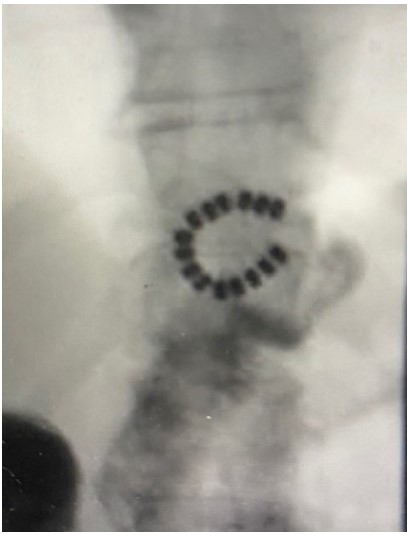
When a Reflux Implant Breaks, the Clinical Record Must Explain Why
By Burton Bentley II, MD, FAAEM Image: A broken LINX ring on X-ray, from a separate published case. Hawasli A, Hallowell S, J Surgery…
Read article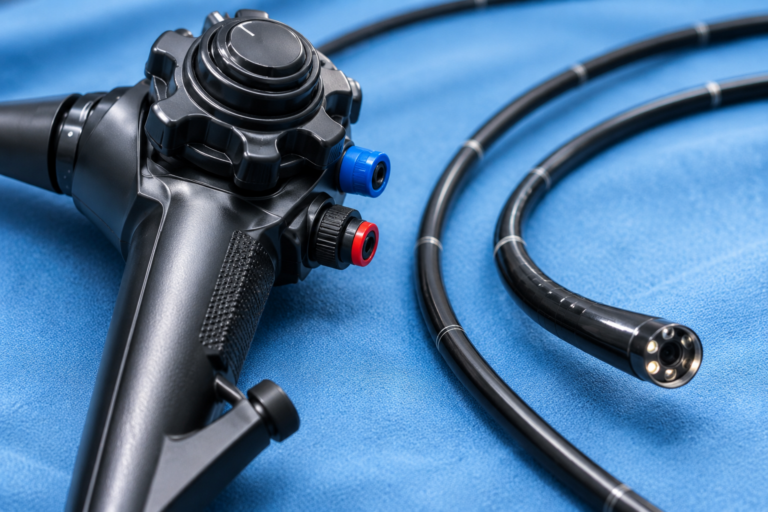
FDA Import Action Sharpens the Medical Questions in Olympus Scope Infection Cases
By Burton Bentley II, MD, FAAEM These Olympus endoscope infection lawsuits raise important questions about medical causation and the evidence needed to establish whether…
Read article
Exhumation Autopsy: When Is It Warranted in Civil Litigation?
By Burton Bentley II, MD, FAAEM An exhumation autopsy in civil litigation is an extraordinary forensic procedure involving significant scientific, legal, and ethical considerations.…
Read article
IVF Genetic Testing Faces a Legal Challenge Over Promised Benefits
By Burton Bentley II, MD, FAAEM A federal judge dismissed a proposed IVF genetic testing class action lawsuit challenging LifeView preimplantation genetic testing, but…
Read article
Spinal Cord Stimulator Lawsuits and the Search for What Went Wrong
By Burton Bentley II, MD, FAAEM The lawsuits over Boston Scientific’s spinal cord stimulators are proceeding together in federal court, but they do not…
Read article
$117M Talcum Verdict Overturned When Expert Testimony Failed Daubert Challenge
A $117M talcum powder verdict was overturned by a New Jersey appeals court, which found that the expert testimony proffered on behalf of the…
Read article
When Cause of Death is Unclear, Expert Testimony Must Show Causation
To establish medical malpractice, a plaintiff must prove that the healthcare provider’s action fell below the standard of care and that the failure was…
Read article
Two Courts Change the Scope of What’s Protected Under Medical Peer Review Statutes
When a plaintiff sues a doctor for malpractice, the medical facility may also be culpable for negligent credentialing. Healthcare entities have a responsibility to…
Read article
Whistleblower Win For Walgreens, FCA Case Dismissed
A False Claims Act (FCA) lawsuit against Walgreens was recently dismissed by the Southern District of Texas because the claim was not specific enough.…
Read article
Trends in Pediatric Medical Professional Liability Claims in Acute Care Settings
Background: While medical professional liability (MPL) claims involving pediatric cases (ages 0-17 years) represent a small fraction of overall MPL claim activity nationally, they…
Read article