
The lawsuits over Boston Scientific’s spinal cord stimulators are proceeding together in federal court, but they do not describe one uniform failure. Some patients say the devices did not ease their pain. Others report painful shocks or burning, lead migration, or neurological injury. Boston Scientific disputes that the cases share a common defect and points to differences among the devices and injuries. That difference matters medically: similar complaints can have different causes.
How do spinal cord stimulators work?
Spinal cord stimulation has been used for chronic pain since the 1960s. A modern system sends electrical impulses through leads placed near the spinal cord, powered by a generator implanted under the skin. Clinicians can adjust the stimulation after surgery. The treatment aims to reduce pain. It does not repair the underlying condition, and a disappointing result alone cannot explain whether the device, its placement, the programming, or the patient’s condition played a role.
What does the Wilson complaint allege about spinal cord stimulators?
One case makes the product question concrete. Ollie Wilson’s October 2025 complaint identifies a WaveWriter Alpha pulse generator, part of a Boston Scientific system implanted in 2022 with the company’s leads and anchors. Wilson alleges shocking sensations, lead migration, and two revision surgeries before the system was removed in 2024. WaveWriter Alpha is the model identified in Wilson’s case, not a device shared by every plaintiff.
What approval and warning issues do the lawsuits raise?
The claims reach beyond how an individual implant performed. Boston Scientific’s spinal cord stimulators are marketed under FDA premarket approvals. Plaintiffs allege that the company obtained its original approvals using published studies of similar devices made by other manufacturers rather than independent clinical studies of its own. They say the company later made significant changes through supplements to those approvals without adequate evaluation and did not give physicians and patients complete information about the risks. Boston Scientific rejects that account and argues that federal rules governing approved devices bar the claims. Those arguments have not been decided.
What role do plaintiffs allege company representatives played?
The lawsuits also raise questions about what happened during implantation. Plaintiffs allege that Boston Scientific representatives advised surgical teams on lead positioning, stimulation testing, and device settings. Whether a representative played that role in a particular procedure, and whether it affected the outcome, cannot be answered from the general allegation.
What medical evidence may distinguish the reported injuries?
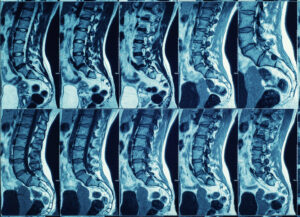
The medical evidence will look different for a patient who reports painful shocks than for one who develops weakness. The first account calls for device records, programming history, and lead position. The second calls for a comparison of neurological findings and imaging before and after implantation. A loss of pain relief presents still other questions. Hardware, technique, physician error, programming, and progression of an existing condition can offer different explanations, sometimes in combination. The symptom alone cannot sort them out.
What does federal coordination mean for medical causation?
On June 5, 2026, a federal panel coordinated the Boston Scientific cases because they share pretrial questions. It did not decide whether any device was defective or caused a patient’s injury. The company’s approval and warning practices can be examined across cases, while medical causation still depends on each patient’s clinical record.